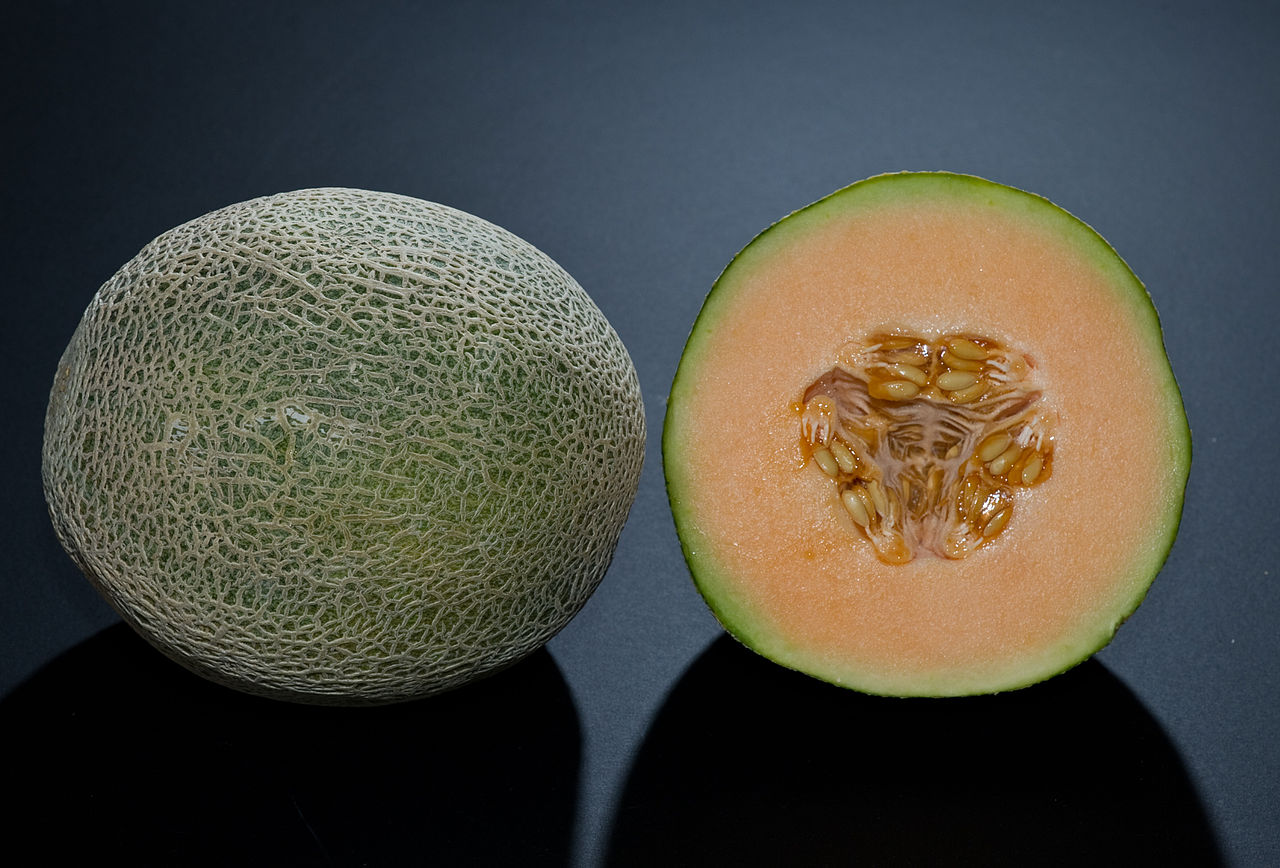
Can Dogs Eat Cantaloupe?
⚡ Quick Answer
Yes - cantaloupe flesh is a safe, hydrating treat most dogs love: low in calories, high in water, beta-carotene and vitamins. Remove the rind and seeds first, and keep portions modest because of the natural sugar.
Can dogs eat cantaloupe?
Yes - cantaloupe is a safe and healthy treat for dogs. The soft orange flesh is about 90% water, low in calories, and rich in beta-carotene, vitamin C, vitamin B6 and potassium. On a hot day, a few cold cantaloupe cubes are one of the better treats you can offer.
How to serve cantaloupe safely
• Remove all of the rind: it is tough, indigestible and a real choking and blockage hazard
• Scoop out the seeds: they are not toxic, but they are best avoided, especially for small dogs
• Cut the flesh into cubes sized for your dog
• Serve it plain - no fruit salad syrups or added sugar
Treat amounts
Offer only a small amount as an occasional treat, starting with a small taste to see how your dog tolerates it. There is no single serving size that fits every dog; size, health, the rest of the diet and the food's preparation all matter.
All treats together should make up no more than 10% of daily calories. This is an overall calorie guideline, not a food-specific safe dose.
What if my dog ate cantaloupe rind?
If your dog swallowed a pit, shell, rind, whole food or large piece that might become stuck, contact your veterinarian promptly for advice rather than waiting for symptoms. Tell the vet what was eaten, its size, when it happened and your dog's weight. Do not assume it will pass within a set time or try to make your dog vomit at home. Trouble breathing or swallowing, repeated vomiting, belly pain, marked weakness or blood in vomit or stool needs urgent veterinary care. Home monitoring is appropriate only when your vet advises it for this exposure.
What if my dog ate a lot of cantaloupe?
Too much plain melon can cause digestive upset. Do not automatically change to a bland diet or assume symptoms must resolve within a day. Ask your veterinarian for advice if the amount was large or your dog is unwell. Repeated vomiting, belly pain or marked weakness needs prompt assessment.
When to call the vet
Call your vet for vomiting or diarrhea lasting more than 24 hours, any sign of choking or gagging that lingers, a painful or bloated abdomen, or straining without producing stool - especially after rind ingestion. For after-hours guidance, ASPCA Animal Poison Control (888-426-4435) and the Pet Poison Helpline (855-764-7661) are available 24/7.