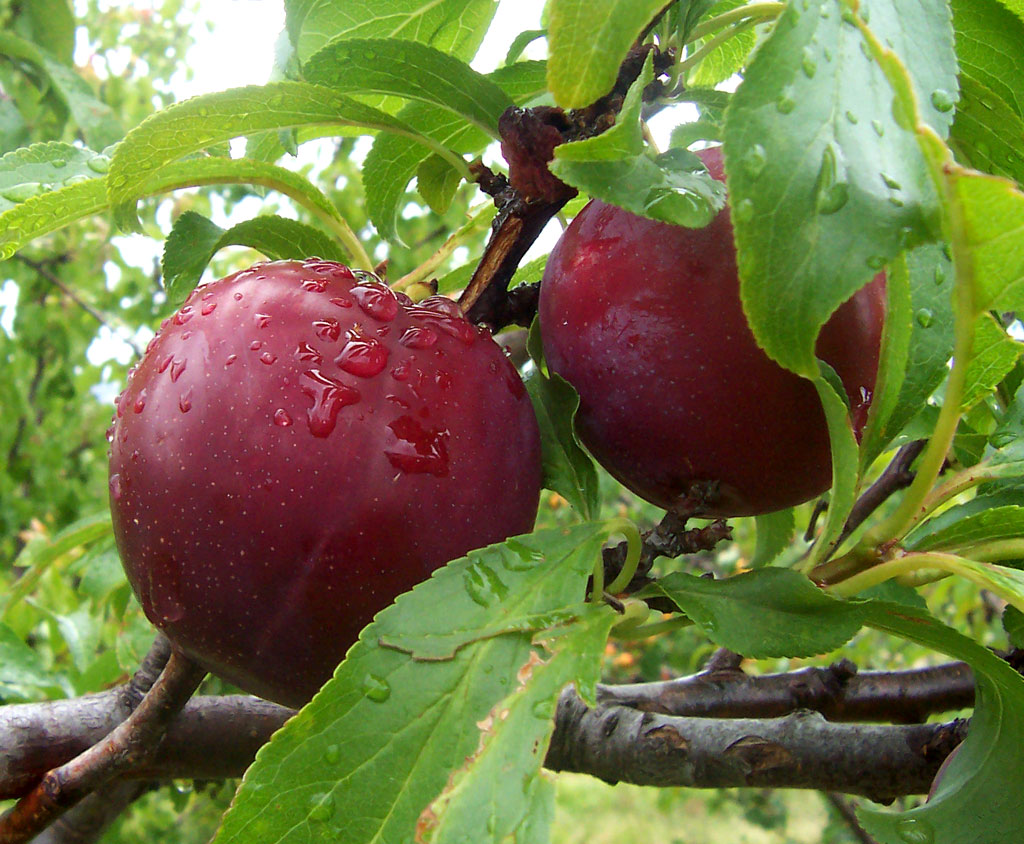
Can Dogs Eat Plums?
⚡ Quick Answer
Small amounts of ripe plum flesh are generally not harmful to healthy dogs, but never offer a whole plum. Remove the pit, stem and leaves and cut the flesh into small pieces. If a pit may have been swallowed, contact your veterinarian promptly.
Can dogs eat plums?
Ripe plum flesh can be offered in small amounts as an occasional treat for a healthy dog, with the pit, stem and leaves removed. It is not needed to balance a complete dog-food diet. Ask your veterinarian before offering fruit if your dog has a medical condition or eats a prescription diet.
Plum stems, leaves and seeds contain cyanide, according to ASPCA. A swallowed pit can also become a foreign body in the digestive tract. Whether an object passes or causes obstruction depends on the object and the animal, so do not infer safety from its appearance or your dog's size.
How to serve plums safely
• Always remove the pit completely - halve the plum and check that no pit fragments remain
• Wash ripe fruit and cut the pitted flesh into small, bite-size pieces.
• The skin is not considered toxic, but there is no need to include it; offering just the flesh is a simple preparation option.
• Choose fresh flesh rather than prunes or dried plums; dried fruit concentrates sugar and calories and is easier to overfeed.
• Keep plum plants, fallen fruit and discarded pits away from dogs.
Treat amounts
Offer only a small amount as an occasional treat, starting with a small taste to see how your dog tolerates it. There is no single serving size that fits every dog; size, health, the rest of the diet and the food's preparation all matter.
Risks to know about
• Potential toxic exposure: ASPCA lists plum stems, leaves and seeds as containing cyanide. Do not use a single-pit or large-dog assumption to rule out risk.
• Physical obstruction: a swallowed pit can become stuck. A veterinarian should assess the actual exposure rather than using a dog-size category as a rule.
• Too much fruit can cause digestive upset and adds calories. Keep any plum flesh to a small, occasional treat.
• Do not offer moldy or rotting fruit. Some molds can produce toxins, and rotting fruit can ferment into alcohol. Keep fallen fruit and compost out of reach.
Signs of pit trouble
If a plum pit may have been swallowed, contact your veterinarian promptly even if your dog seems well. Also report exposure to stems or leaves. Obstruction signs vary and can include vomiting, reduced appetite, lethargy or abdominal pain; do not wait for a stated number of hours or for constipation. Difficulty breathing, collapse or severe distress needs emergency care. A veterinarian should assess possible cyanide exposure rather than relying on gum color or a symptom checklist at home.
When to call the vet
Contact your veterinarian promptly about possible pit, stem or leaf ingestion, or any illness after eating plums. Do not wait for symptoms after possible toxic plant-part exposure or use a symptom-free interval as clearance. For poison-control contacts, regional dialing limits and fees, see the shared emergency guidance above; elsewhere, use a local emergency veterinarian.