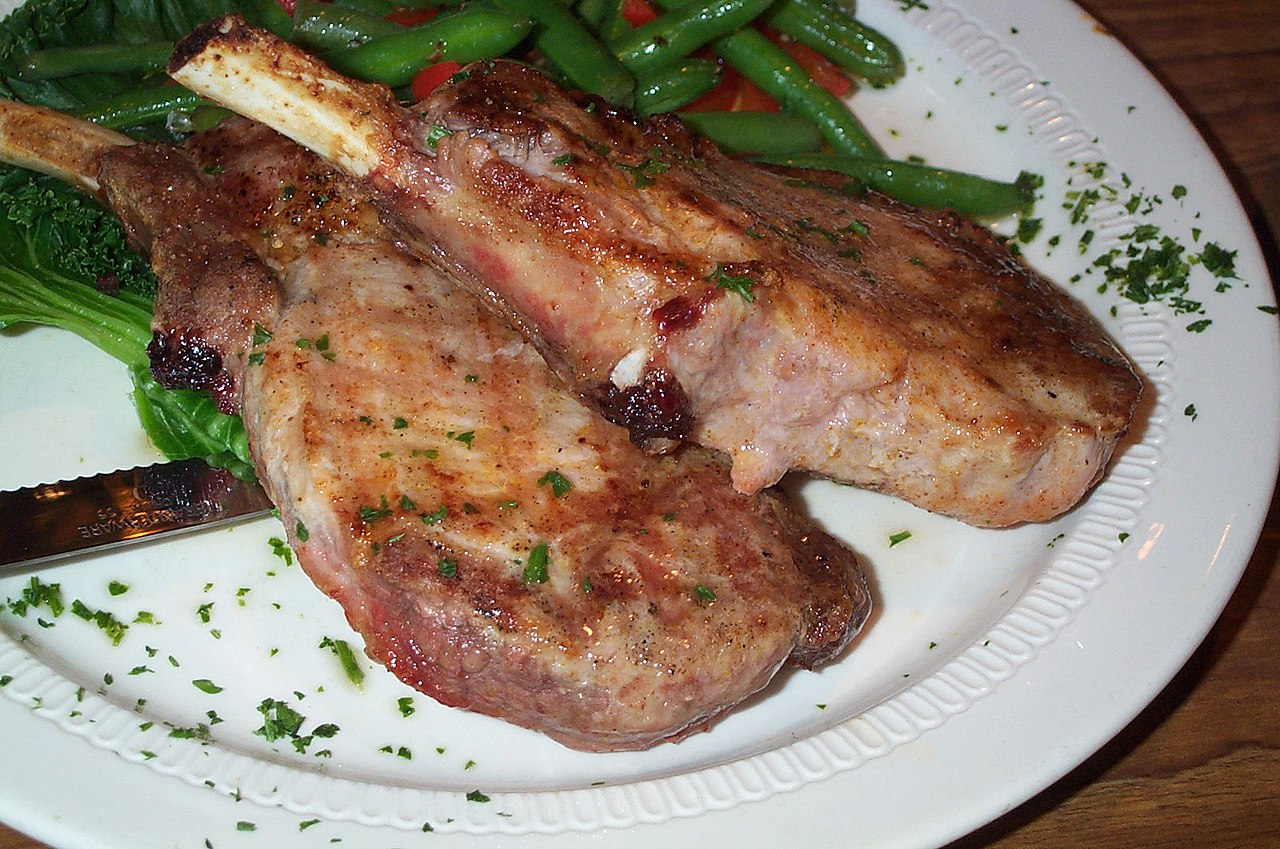
Can Dogs Eat Pork?
⚡ Quick Answer
Plain, fully cooked, lean pork is safe for most dogs. The trouble is everything around it: fatty cuts can trigger pancreatitis, cooked pork bones splinter dangerously, and processed pork like bacon, ham and sausage is too salty and fatty to share.
Can dogs eat pork?
Yes - plain, thoroughly cooked, lean pork is safe for most dogs and is a decent protein source. What makes pork tricky is the company it keeps: it is usually served fatty, seasoned or processed, and those versions range from unhealthy to dangerous.
How to prepare pork for your dog
• Choose lean cuts like tenderloin or loin, and trim visible fat
• Cook it plain - no garlic, onion, barbecue sauce, rubs or marinades
• Cook all the way through (at least 145 F / 63 C for whole cuts) to kill parasites like Trichinella
• Cut it into small, bite-sized pieces
• Never give cooked pork bones - they splinter into sharp shards that can puncture the gut
Treat amounts
Offer only a small amount as an occasional treat, starting with a small taste to see how your dog tolerates it. There is no single serving size that fits every dog; size, health, the rest of the diet and the food's preparation all matter.
All treats together should make up no more than 10% of daily calories. This is an overall calorie guideline, not a food-specific safe dose.
What about bacon, ham and sausage?
Skip them. Processed pork is extremely high in salt and fat, which is the classic recipe for pancreatitis - a painful, sometimes life-threatening inflammation of the pancreas. One tiny taste of bacon will not poison a dog, but processed pork should never be a habit. Raw pork is also off the table because of parasite and bacteria risk.
What if my dog ate a pork bone or fatty pork?
If your dog swallowed a bone, call your veterinarian promptly, even if your dog seems well. Do not induce vomiting or feed bread, pumpkin or other food to try to cushion fragments. Ask the vet what to do about feeding and monitoring for this specific exposure. Choking, trouble breathing or swallowing, repeated vomiting, drooling, a painful belly, weakness, or blood in vomit or stool needs urgent veterinary care. Do not wait for a bone to appear in the stool before seeking advice.
When to call the vet
Call immediately for repeated vomiting, severe abdominal pain, weakness, collapse, or any bloody stool or vomit. Pancreatitis is an emergency that needs fluids and pain control. For after-hours guidance, ASPCA Animal Poison Control (888-426-4435) and the Pet Poison Helpline (855-764-7661) are available 24/7.