Can Dogs Eat Tomatoes?
⚡ Quick Answer
Ripe red tomatoes: yes, in small amounts. But the green parts - unripe tomatoes, stems and leaves - contain tomatine and solanine, which are toxic to dogs. Garden owners need to fence the plants, and nobody should share the sauce.
The ripe fruit vs the plant
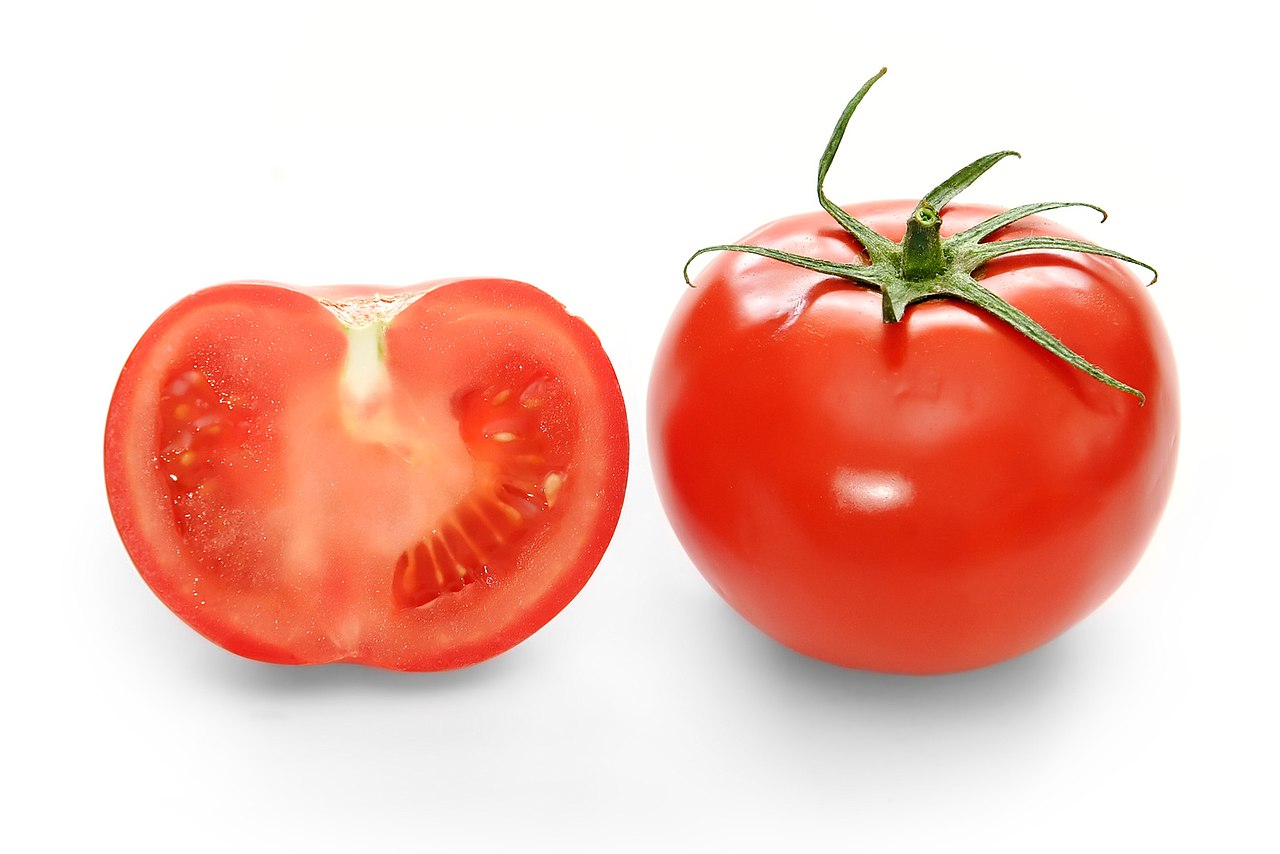
Tomatoes are a tale of two foods. A ripe red tomato is safe for dogs in small amounts - low calorie, with lycopene, vitamin C and potassium. The rest of the plant is not: the leaves, stems, flowers and unripe green tomatoes contain tomatine (and some solanine), natural defenses that are genuinely toxic to dogs.
The good news is that tomatine levels crash as the fruit ripens, which is why red tomatoes are fine and green ones aren't. The bad news is that a dog in the garden can't read that rule - to a dog, the whole plant is a snack bar.
Treat amounts
Offer only a small amount as an occasional treat, starting with a small taste to see how your dog tolerates it. There is no single serving size that fits every dog; size, health, the rest of the diet and the food's preparation all matter.
All treats together should make up no more than 10% of daily calories. This is an overall calorie guideline, not a food-specific safe dose.
What to avoid
• Green, unripe tomatoes - the tomatine dose is real
• Stems, leaves and vines - the most concentrated source
• Tomato sauces, soups and ketchup - nearly always contain onion and garlic (both toxic), plus salt and sugar
• Green tomatoes from your own garden or a farmer's market box - sort them before the dog does
Symptoms of tomatine poisoning
A dog would need to eat a fair amount of green plant matter to get seriously sick, but watch for:
• Vomiting and diarrhea
• Lethargy and weakness
• Loss of coordination, confusion
• Drooling and stomach pain
• In heavier exposures: slow or irregular heart rate, tremors
My dog ate green tomatoes or the plant - what do I do?
Estimate what was eaten - a few leaves, one green tomato, or a shredded vine - and call your vet or a poison hotline with that and your dog's weight. A single leaf nibbled by a large dog usually means monitoring; a small dog that ate green tomatoes needs guidance right away.
Do not induce vomiting unless instructed. Most cases are managed with fluids and monitoring, but heart rhythm changes need a clinic.
When to call the vet
Call for any green-plant ingestion in a small dog, larger amounts in any dog, and any dog showing lethargy, wobbliness or an off heartbeat after raiding the tomato patch. Fence the plants - prevention is a weekend project, poisoning is an ER bill.
ASPCA Animal Poison Control: 888-426-4435. Pet Poison Helpline: 855-764-7661. Both operate 24/7 - a consultation fee may apply.